Need training? We can help.
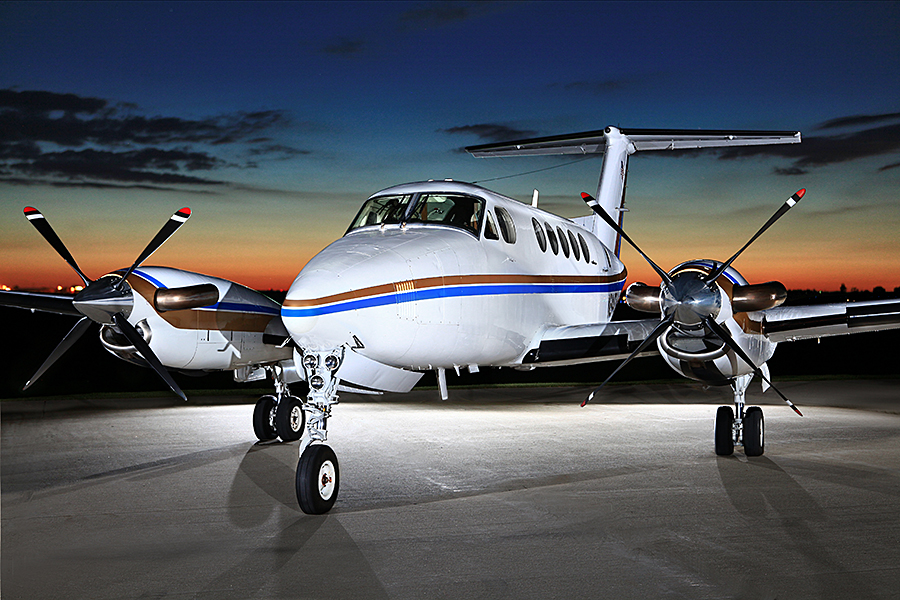
Be Practical: Fly Actual!
Actual Flight Certs (certifications) was established in 2010 to provide personalized initial and recurrent training in complex turbine and piston aircraft requiring insurance approval to operate as pilot-in-command.
Our teaching principle is simple: operating an aircraft in actual, real-time, flight conditions surpasses anything that can be simulated. This is especially true for smaller piston and turbine aircraft which rarely have full-motion simulators specific to their type.
Furthermore, generic simulators usually don’t have the same panel layout and avionics as the aircraft you will be flying. For these and many other reasons, we have found that pilots who have successfully completed our training courses are safer, more competent and adept operators with a much greater understanding of the nuances of the particular aircraft they will be flying.
We have many stories of pilots who trained in simulators and reported that they felt unprepared to fly the same type of aircraft safely in actual flight conditions. We don’t want our applicants to be flying under such constraints. Be practical, fly Actual!
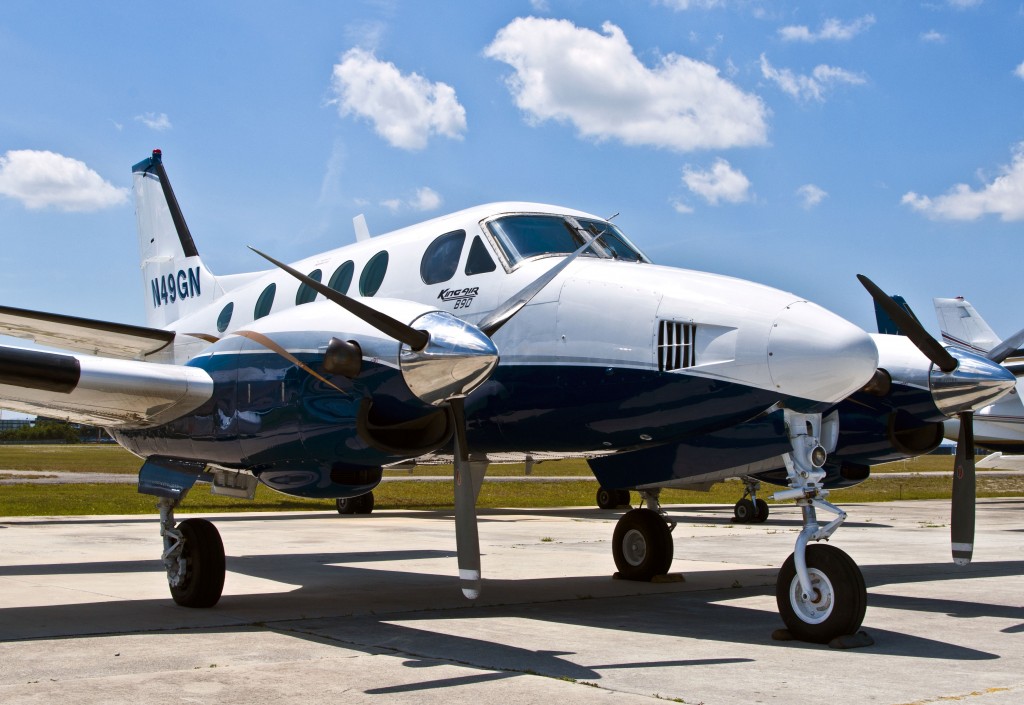
We’re approved by insurance companies for training in the following airframes:
King Air 90, 100, 200, 350
Cessna 441 Conquest I/II
Cessna P210
Cessna 300, 400 series
Piper Navajo; Chieftain; Seneca;
Beech Baron 55, 58
Beech Duke
Beech Bonanza
Underwriter Approval:
We secure approval from the insurance company that requires you to obtain either your initial or recurrent training. If you or your company have your own aircraft, we will send our qualified check pilot to your location or we can fly your aircraft to where our check pilots are based – along the entire east coast of the USA from Maine to Florida.
Our check pilots are highly qualified in each aircraft make and model, with all the appropriate ratings and extensive flight and instructional experience in charter or airline operations. Most of them have been check airmen for charter companies and bring that wealth of experience to you. The majority hold Airline Transport Pilot (ATP) ratings in addition to their CFII certificates and are current and highly proficient in the aircraft they will operate with you.
Under special circumstances, we can also arrange to have a specific aircraft leased for you if needed. Travel and lodging costs for our check pilots are added to the training fees.
Initial Training:
Generally, initial training follows a comprehensive curriculum of 25 hours of ground school for turbine aircraft, or 20 hours of ground instruction for piston aircraft.
Ground instruction is broken down into two major segments:
10 hours of General Operational Subjects (Flight Notification; Weight and Balance; Operations Authorizations and Limitations; Adverse Weather; Flight Planning; Aircraft Operations Manual; Equipment lists and POH supplements; Performance Factors) and:
15 hours of Turbine Aircraft Systems (Aircraft General; Powerplants; Electrical System; Fuel System; Bleed Air/Pressurization Systems; Air Conditioning; Flight Controls; Landing Gear; Ice and Rain Protection; Equipment and Furnishings; Navigational Equipment; Auto Flight System; Flight Instruments; Communications Equipment ; Caution and Warning Systems; Oxygen System; Lighting; Emergency Procedures; High Altitude Operations).
For Piston Aircraft Systems the curriculum is similar but less extensive due and usually only takes 10 hours to complete. The flight training portion requires satisfactory performance on all Phases of Flight (Preflight Preparation; Ground Operations before Takeoff; Takeoffs, Traffic Pattern Operations, and Area Departures; Climb, En-route and Descent Operations; Inflight Maneuvers and Emergencies in Visual and Instrument conditions; Area Arrival, Traffic Patterns, Instrument Approaches and Landings; After-landing Ground Operations and Post-flight procedures).
It usually takes four to five days to complete all the requirements for initial training, depending on the competence and proficiency level of the candidate. Upon satisfactory completion, the candidate is given a formal certificate of completion as well as endorsements for an IPC (Instrument Proficiency Check) and a Flight Review, as well as High Altitude or Complex/High Performance operations as required.
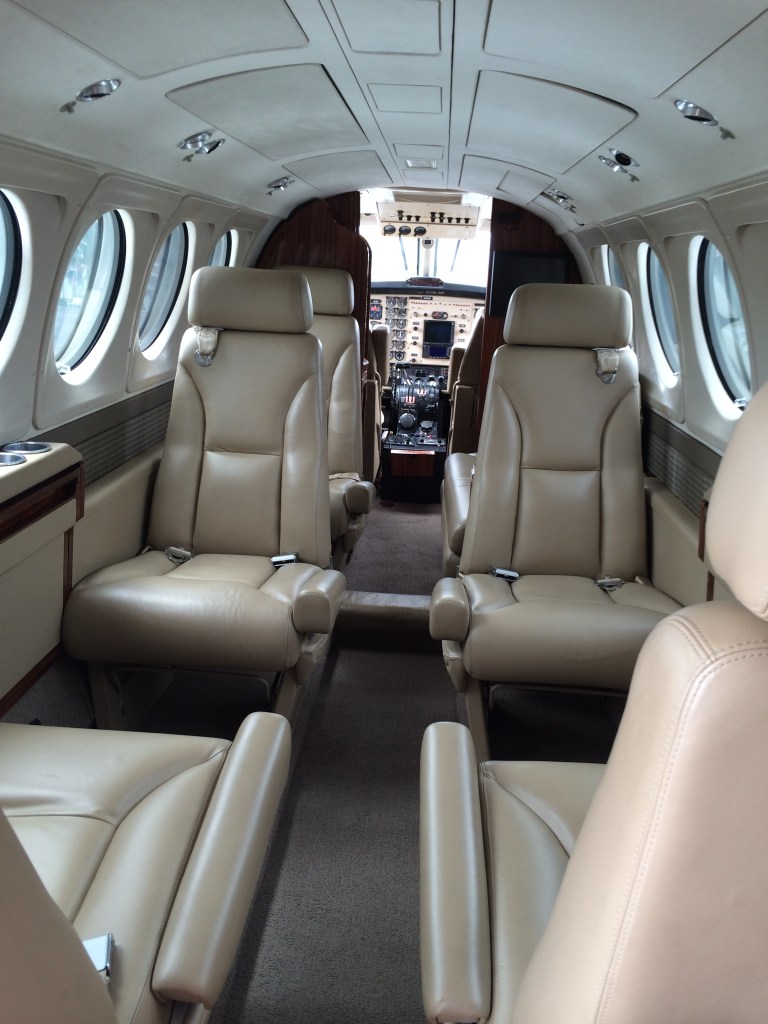
New to cabin-class pressurized twins? We can help with the learning curve.
Recurrent Training:
Depending on the proficiency of the candidate, recurrent training normally takes 8 hours of ground instruction and flight training, and can be completed in two days. The ground instruction covers the same topics as outlined for initial training (General Operational Subjects and Aircraft Systems). Flight instruction and checkouts cover all the items specified in all the Phases of Flight for each type of aircraft. Upon completion, the candidate is issued a certificate of completion and endorsements for an Instrument Proficiency Check and a Flight Review.
Training Costs:
King Air 90, 100, 200 series
Initial: $3,000.00 Recurrent: $2,590.00
King Air 300 series
Initial: $4,195.00 Recurrent: $3,790.00
Cessna Conquest I & II
Initial: $3,090.00 Recurrent: $2,590.00
Cessna P210
Initial: $2,490.00 Recurrent: $1,590.00
Cessna 300, 400 series
Initial: $2,490.00 Recurrent: $1,690.00
Piper Navajo/Chieftain/Mojave
Initial: $2,490.00 Recurrent: $1,690.00
Beech Baron 55, 58 series
Initial: $2,490.00 Recurrent: $1,690.00
Beech Duke
Initial: $2,590.00 Recurrent: $1,790.00
Travel and lodging costs for our check pilots are added to the training fees.

Over the past decade, we’ve worked with dozens of pilots in as many airframes. Please call us today to discuss your training needs – we’re happy to help.
Please call today, or email us if you prefer:
Actual Flight Certs:
Email: captaingeo@actualflightcerts.com
Call, or text George:
+1 321-327-8000
Copyright 2020 AFC – Actual Flight Certs Melbourne Florida and Trenton, Maine – All rights reserved.
 AFC - Actual Flight Certs